Buying guide · 6 min read
How to choose a crankbait by depth
Bill shape, body and line diameter decide how deep a crankbait runs. Match all three to the water you fish.
Updated
First Cast Fishing earns a commission when you buy through links on this site, at no extra cost to you. Affiliate disclosure
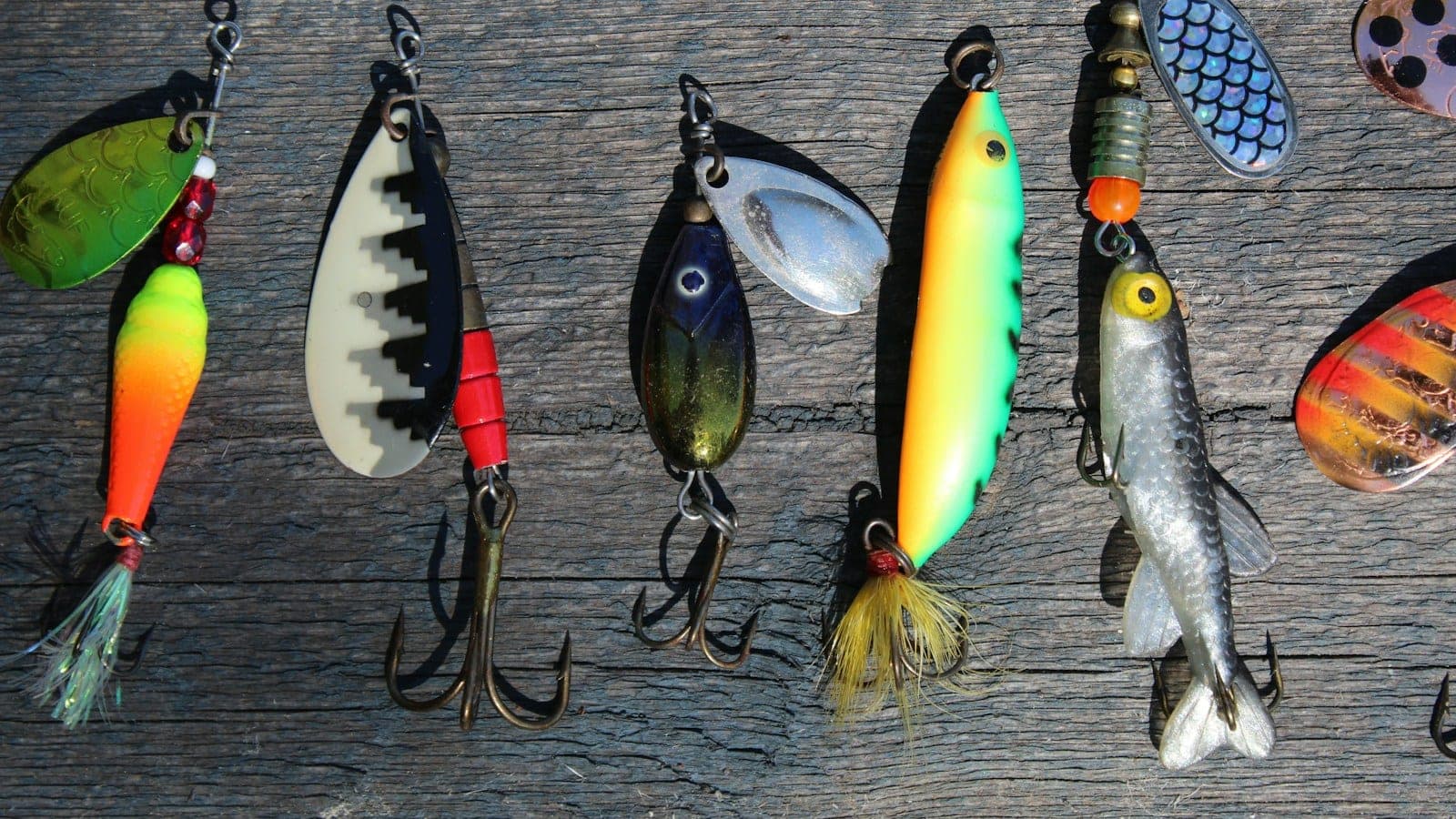
Crankbaits are sorted by how deep they dive, and that number matters more than the brand, the color or the price. Pick a bait that runs too shallow and it swims past fish holding on the bottom. Pick one that runs too deep and you spend the day pulling it out of rocks and weeds. The good news is that a crankbait's depth is not a mystery. Three things set it: the bill, the body and your line. Get those right and you can choose a crankbait for any bank, flat or ledge in a minute.
What makes a crankbait dive
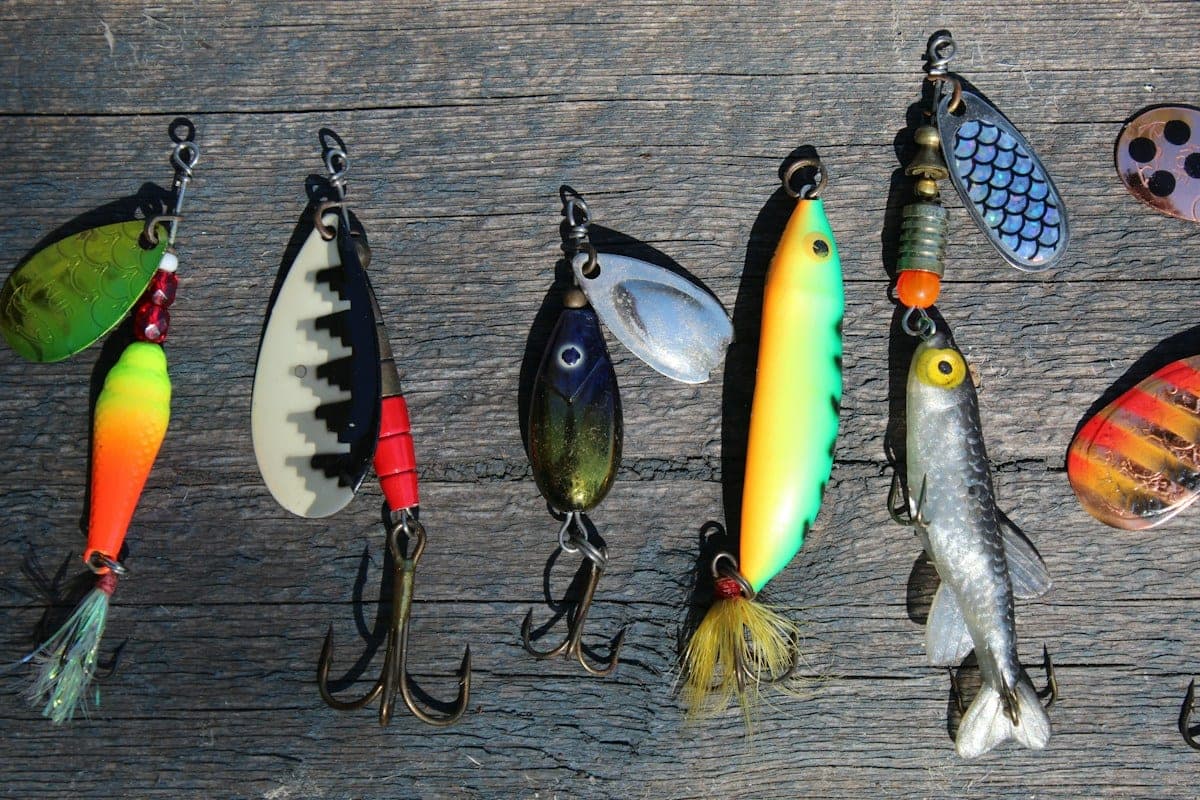
The bill does most of the work. When you reel, water pushes against the bill and drives the nose down. A longer bill catches more water and pulls the bait deeper. The angle matters too: a bill that sticks out nearly straight from the nose digs deep, while a steep bill that points down at the bottom keeps the bait shallow.
The body sets the action and the rise. A fat, round body pushes a lot of water and wobbles widely, which fish feel from a distance. A flat-sided body has a tight, fast wiggle that suits cold or clear water. Buoyancy matters just as much. A balsa or hollow plastic body floats up quickly when you stop reeling, so you can pause the bait when it hits a branch and let it back out of trouble.
The line changes everything else. The same crankbait runs deeper on thin line than on thick line, because a thin line has less drag in the water. More on that below.
The depth classes
Most crankbaits fall into five classes. The depths below are typical running depths on 10 to 12 lb line with a long cast; every brand prints its own rating on the box.
| Class | Typical depth | Best around | Season | Browse |
|---|---|---|---|---|
| Squarebill | 1–4 ft | Wood, rock, docks, shallow banks | Spring, autumn | Squarebill crankbaits |
| Shallow diver | 3–6 ft | Flats, grass edges, riprap | Spring to autumn | Shallow diving crankbaits |
| Medium diver | 6–12 ft | Points, channel swings, secondary drops | Summer, autumn | Medium diving crankbaits |
| Deep diver | 12–20+ ft | Ledges, offshore humps, deep points | Summer | Deep diving crankbaits |
| Lipless | Any depth (count it down) | Submerged grass, open flats | Late winter, early spring | Lipless crankbaits |
A squarebill has a short, square-edged bill that bounces off cover instead of wedging into it. That deflection is often what triggers a strike, which is why squarebills are the classic tool for shallow wood and rock.
Lipless crankbaits have no bill at all. They sink, so you choose the depth by counting while the bait falls before you start reeling. Most have rattles and a tight vibration, and they are the go-to bait for ripping through the tops of submerged grass.
Start with a squarebill
If you only buy one crankbait, make it a squarebill. It works in the shallow water where most anglers fish, it forgives a bad cast into cover, and it teaches you what bottom contact feels like. The KVD 1.5 squarebill is a long-time favorite: it runs a few feet down, deflects off wood and rock well, and comes in dozens of colors.
How your line changes the depth
Depth ratings assume a certain line, and changing it can move a crankbait by several feet.
- Line diameter. Thinner line cuts through the water with less drag, so the bait dives deeper. Dropping from 15 lb to 10 lb line can add a couple of feet to a deep diver.
- Line type. Fluorocarbon sinks faster and stretches less than monofilament, so it helps a crankbait reach its full depth. Monofilament sinks slowly and is close to neutral buoyancy, which keeps a bait slightly shallower and lets it rise faster on a pause. Braid is thin and floats with no stretch, so most anglers keep it for lipless baits in grass.
- Cast length. A crankbait needs distance to reach its maximum depth. It dives on a curve: steeply at first, then leveling off. A short cast never lets a deep diver get down, so make long casts and reel steadily.
- Rod position. Holding the rod tip low, or even dipping it into the water, adds a little extra depth. Raising the tip brings the bait up over cover.
For a full comparison of line types, read mono, fluoro or braid: picking fishing line.
Matching the depth class to the water
The aim is simple: choose a crankbait that runs slightly deeper than the water you are fishing, so it touches the bottom or the cover. A bait that digs into the bottom, kicks off a rock or bumps a stump looks like fleeing prey, and that change in direction draws strikes.
- Shallow banks with wood, docks or rock (1–4 ft): a squarebill. Cast past the cover and bring the bait into it.
- Flats and grass edges (3–6 ft): a shallow diver, or a lipless bait ripped over the grass.
- Points and the first drop off the bank (6–12 ft): a medium diver. Cast across the point and grind the bait along the bottom.
- Ledges and offshore humps (12–20 ft): a deep diver on 10 to 12 lb fluorocarbon. This is summer fishing, when fish school on structure away from the bank.
Water temperature matters too. Below about 50°F, fish respond better to a tight wiggle: flat-sided baits and lipless crankbaits. As the water warms, switch to round-bodied baits with a wider wobble. In spring and autumn many fish move shallow, which makes those the best seasons for squarebills.
Rod, reel and line for cranking
Crankbaits carry treble hooks, and trebles tear out if the rod is too stiff. A cranking rod bends deeply so the fish can take the bait and stay hooked.
- Rod: a 7'0" to 7'6" casting rod with medium or medium-heavy power and a moderate action. Glass and composite rods are the traditional choice for cranking because they bend further than stiff graphite.
- Reel: a low-profile baitcasting reel. A slower gear ratio (around 5:1 to 6:1) takes less effort with big deep divers; a faster one (7:1 or more) suits squarebills and lipless baits.
- Line: 10 to 15 lb fluorocarbon. Go lighter for deeper baits and heavier around wood.
What about color?
Color matters, but less than depth. Get the bait to the right depth first, then choose the color from the water clarity and the light. Our guide to matching lure color to water clarity covers that in detail. As a start, carry one natural shad pattern for clear water, one chartreuse or firetiger for stained water, and one crawfish color for spring.
A simple starter set
You do not need a box full of crankbaits to start. Five baits cover most water:
- A squarebill for shallow cover.
- A shallow diver for flats and grass edges.
- A medium diver for points.
- A deep diver for summer ledges.
- A lipless crankbait for grass and cold water.
Browse every class in crankbaits, and add more colors once you know which depths you fish most.