How-to · 7 min read
Reel maintenance: cleaning, oil and grease
Rinse after salt, oil the bearings, grease the gears, keep the drag and clutch dry. A routine for spinning reels and baitcasters.
Updated
First Cast Fishing earns a commission when you buy through links on this site, at no extra cost to you. Affiliate disclosure
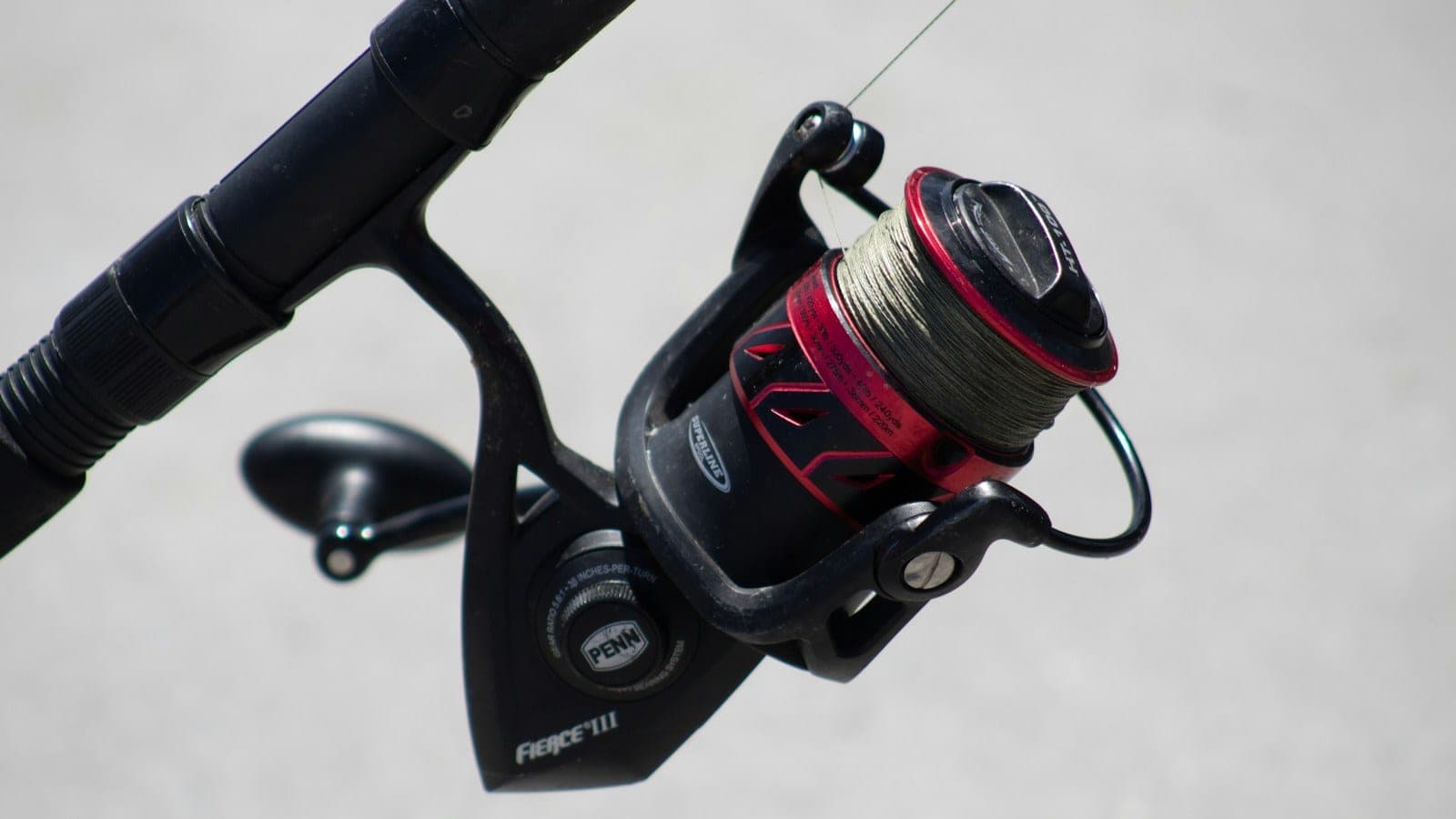
A fishing reel is a small gearbox that gets dunked, sanded and splashed with salt, and it lasts as long as you look after it. The work is not complicated. Rinse it when it needs rinsing, put oil where parts spin and grease where gears mesh, keep lubricant away from the places that must stay dry, and store the reel with the drag backed off. This guide covers that routine for spinning reels and baitcasters: what to do after every trip, where oil and grease each go, the difference between a light service and a full one, and the spare parts and covers that make a reel easier to live with.
Before you start, find the schematic for your model. Most manufacturers publish a parts diagram, and many reel manuals say exactly which points to oil, which to grease and which to leave alone. When the manual and this guide disagree, follow the manual.
After every trip
Freshwater
A reel used in clean freshwater needs little after a trip. Wipe off dirt and sand with a damp cloth, check the line for nicks, and loosen the drag before you put the reel away. If it got dropped in mud or sand, rinse it gently the same way you would after saltwater.
After saltwater
Salt causes more reel trouble than anything else. It dries into crystals that grind in bearings and corrode metal, so rinse every reel the same day you fish salt or brackish water.
- Tighten the drag before rinsing. A tight drag stack keeps water from being pushed between the washers.
- Rinse with a gentle spray or a slow stream of fresh water from a hose or a shower head. Never use a pressure washer or a hard jet: it drives salt and water past the seals and into the bearings. Do not soak the reel unless the manufacturer says it is built for it.
- Shake off the water, then turn the handle a few turns to throw it off the rotor and line roller. Avoid cranking hard under the spray, which can push water inside.
- Dry it with a towel and let it air dry in the shade, off the rod or with the rod standing upright.
- Back the drag off fully once it is dry. Leaving washers compressed for weeks flattens them and makes the drag jerky.
Rinse the rod guides and reel seat too, and run the outer layer of line under fresh water if it sat in salt all day. Our guide to your first surf fishing setup covers the rest of a saltwater kit.
Where oil goes, where grease goes
The general rule: oil for parts that spin, grease for parts that mesh or slide under load. Oil is thin and gets into tight clearances without slowing them. Grease is thick, stays put and cushions gear teeth.
| Part | Lubricant | Notes |
|---|---|---|
| Ball bearings (spool, handle) | Oil, one drop | Too much slows a baitcaster spool |
| Line roller (spinning reels) | Oil, one drop | The part that most often squeaks or sticks |
| Handle knobs | Oil, one drop | Remove the knob cap if it has one |
| Bail arm pivots | Oil, one drop each | Keeps the bail snapping over cleanly |
| Level wind worm gear (baitcasters) | Light oil or light grease | Practice varies; check the manual |
| Main and pinion gears | Grease, a thin coat | Inside the gearbox; part of a full service |
| Spool shaft | Light oil | Wipe the old film off first |
Oil sparingly. A drop on a bearing is enough, and extra oil only collects grit. Use a reel oil with a needle tip so it lands exactly where you want it, not a household spray that sheds solvent into the drag.
The PENN reel oil and lube angler pack pairs reel oil with PENN's reel lube, a thicker lubricant for gears, in one pack, which covers both columns of the table above. For a full service you will want a larger tube of gear grease, such as PENN reel grease in a 2 oz size.
What to leave dry
Some parts work by friction or by a precise clearance, and lubricant in the wrong place causes more trouble than it solves.
- Drag washers. Leave them as the manufacturer built them. Felt washers in some older reels are lightly oiled; many carbon-fiber washers are run dry or with a very thin coat of a drag grease made for them. Ordinary reel grease or oil on a dry drag makes it slip and surge. If your reel's manual calls for drag grease, Cal's universal reel and drag grease is a grease made for use on drag washers as well as gears.
- The anti-reverse clutch. On most spinning reels, the one-way roller clutch that stops the handle turning backward should not be greased. Grease can make the rollers slip, and the handle then turns backward under load. Leave it alone unless the manual gives instructions.
- Baitcaster brakes. Keep oil off centrifugal brake blocks and the track they rub against, and off magnetic brake parts. Oil there changes how the brakes grip, and casting becomes unpredictable.
- The line itself. Keep oil and grease off the line and the spool lip.
A light service and a full service
Light service: every few trips, or monthly in season
This takes 15 minutes and needs no tools beyond a screwdriver and a rag.
- Back off the drag and remove the spool.
- Wipe the spool shaft, the rotor and the body with a clean cloth.
- Put one drop of oil on the line roller, the bail pivots, the handle knob and any bearing you can reach without opening the gearbox.
- On a baitcaster, remove the side plate, put a drop on each spool bearing, and wipe the level wind.
- Turn the handle, cast a few times, and wipe away any oil that weeps out.
A reel cleaner and a rag make step 2 quicker. The Ardent Reel Kleen freshwater maintenance kit is a maintenance kit for freshwater reels built around Ardent's Reel Kleen cleaner, sized for this kind of routine work.
Full service: once a season, or more often in salt
A full service means opening the gearbox, cleaning out old grease and dirt, inspecting the gears and bearings, and regreasing. Many anglers do it once a year for freshwater reels and two or three times a season for reels used heavily in saltwater.
- Work over a towel on a well-lit bench, and lay parts out in order, or photograph each step.
- Clean old grease from the gears with a degreaser and a soft brush, and let them dry.
- Inspect the gear teeth for wear and the bearings for rough spots. A bearing that still feels gritty after cleaning should be replaced.
- Apply a thin coat of grease to the main and pinion gears. Do not pack the gearbox full; excess grease drags and gets flung onto parts that should stay dry.
- Reassemble, tighten screws snugly without forcing them, and check that the handle turns smoothly before spooling line.
If the reel is sealed or still under warranty, or you are not comfortable with small parts, a tackle shop or the manufacturer's service center can do this. Opening some reels voids the warranty.
Spare spools and handles
Two parts are worth knowing about beyond oil and grease.
Spare spools let a spinning reel run two lines. Keep braid on one spool and fluorocarbon or monofilament on the other, and swap them in a minute instead of respooling. Not every reel has spare spools available, so check before you buy. Our guide to picking fishing line covers what to put on each.
Handles and knobs wear out and can be upgraded. A power handle, with a longer arm and a larger knob, gives more leverage for big swimbaits, deep crankbaits and saltwater fish. Replacements are model-specific, so match the thread and the reel series. Browse replacement spools and handles.
Reel covers and storage
A reel cover is a neoprene sleeve that slips over the reel while it sits on the rod. It keeps the reel from banging against the boat or other rods, keeps dust and grit out, and stops loose line from tangling in transit. Covers are sized to the reel: the Shimano neoprene spinning reel cover in Medium is meant for mid-size spinning reels (check the maker's size chart against your reel), and baitcasters have their own shapes in reel covers. Only put a cover on a dry reel; a cover over a wet reel holds the water in.
For storage between trips or over the winter:
- Back off the drag completely.
- Store dry, indoors, away from sun and heat. A hot car trunk or a damp shed is hard on reels and line.
- Do not seal a damp reel in a bag or case.
- Hang rods or stand them in a rack so the guides and reels do not take weight.
- Check the line at the start of the season. Monofilament left on a reel for a year often holds coils and weakens with sun exposure; strip the top layer or respool.
For everything else in the category, including oils, greases and rod repair kits, see rod and reel care.